

If you’ve typed “Schoology Alfa” into a search engine and ended up confused, you’re not alone. Thousands of students, parents, and teachers across the USA search this term every month. So what does it actually mean? And why does it matter for K-12 education today?
Let’s break it all down.
What Schoology Alfa Most Likely Means
Here’s the honest answer: Schoology Alfa isn’t an officially branded product from PowerSchool. Instead, it’s almost certainly a school-branded or institution-specific version of Schoology, customized by a particular school or district.
Think of it like a Starbucks cup with your school’s logo on it. The coffee inside is still Starbucks. Similarly, “Alfa” is likely the name a specific institution uses for its localized Schoology environment. Schools often brand their digital learning platforms with unique names to give students a sense of familiarity and ownership.
Why does this matter? Because if you’re searching for a Schoology Alfa login, you’ll want to go directly to your school or district’s portal rather than the main Schoology website. Your institution controls that branded LMS portal.
Why Platforms Like Schoology Matter
Education in the USA has changed dramatically. Gone are the days when a paper planner and a binder were enough. Today, K-12 education technology sits at the center of how schools operate.
Schoology, owned by PowerSchool, is one of the most widely used learning management systems (LMS) in the country. It gives schools a centralized hub for everything: assignments, grades, discussions, course materials, and communication. No more lost homework sheets. No more “I didn’t know about that test.”
Consider this: according to PowerSchool, Schoology serves over 23 million users globally. That’s a massive footprint. And when schools customize it into something like a branded LMS portal, they make it even more specific and useful for their community.
How Schoology Alfa Works in Everyday Use
So what does using this digital learning platform actually look like on a Tuesday morning?
A student wakes up, opens the mobile app on their Android or iPhone, and checks their dashboard interface. They see:
- Upcoming assignment deadlines
- New teacher announcements
- Unread messages
- Recent grade updates
Teachers, meanwhile, log into their course organization view. They can see which students submitted work, who’s missing assignments, and where the class is struggling. It’s all right there, no spreadsheet juggling required.
Here’s a quick comparison of how different users interact with the platform:
| User | Primary Actions | Key Benefit |
|---|---|---|
| Students | Submit work, view materials, join discussions | Clarity and organization |
| Teachers | Grade, communicate, plan lessons | Streamlined workflow |
| Parents | Track progress, message teachers | Family visibility |
| Administrators | Manage accounts, set policies | Centralized control |
The beauty of a structured learning environment is that everyone plays their role without stepping on each other’s toes.
The Main Benefits for Students
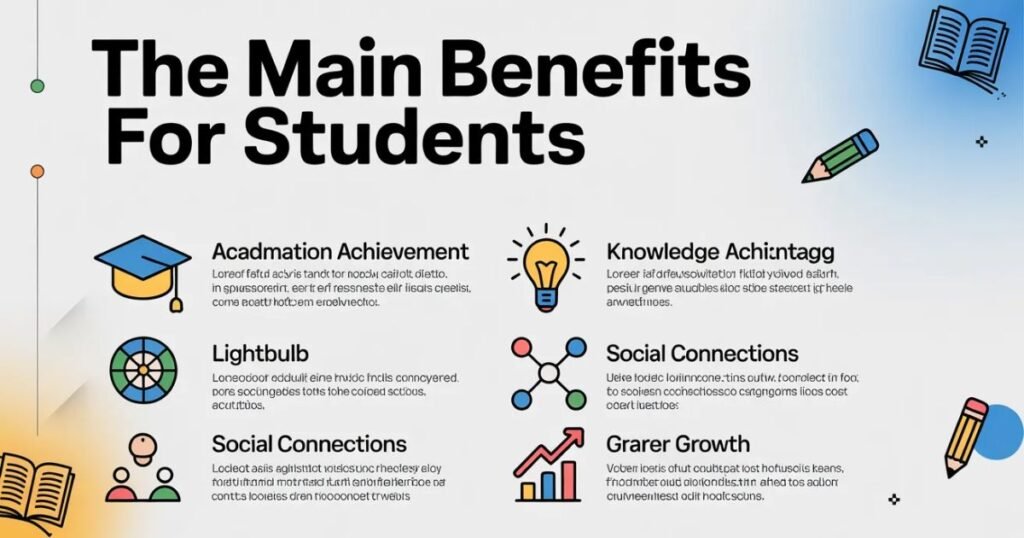
Students often don’t realize how much time they waste hunting for assignments across different platforms. Schoology Alfa solves that problem head-on.
With a clean student dashboard, everything lives in one place. Here’s what students actually gain:
- Clarity in assignments: No guessing what’s due or when
- Anytime, anywhere learning: Study from the library, home, or a coffee shop
- Mobile access: Full functionality on smartphones and tablets
- Faster feedback loops: Teachers can grade and comment directly in the platform
- Discussion forums: Collaborate with classmates on projects without needing separate group chats
One real-world scenario worth considering: imagine a high school junior juggling five classes, a part-time job, and college prep. Before using a continuous learning experience platform like this, she’s constantly missing emails and losing track of due dates. After? She checks her dashboard every morning in under two minutes and stays on top of everything.
That kind of time management improvement isn’t trivial. It’s genuinely life-changing for busy students.
Explore More: Priscilla Alvarez CNN Husband
The Main Benefits for Teachers
Teachers didn’t get into education to wrestle with paperwork. Yet administrative tasks consume enormous amounts of their time. A customized Schoology environment cuts that burden significantly.
Lesson planning becomes more organized. Assignment tracking is automatic. Grading workflows are faster because teachers can leave inline feedback directly on student submissions.
Some standout benefits for educators include:
- Personalized teaching: Adjust course content for different learners without rebuilding everything
- Collaboration tools: Co-teach with colleagues by sharing resources and course templates
- Administrative workflow: Automate reminders, deadlines, and notifications
- Resource sharing: Upload videos, PDFs, links, and interactive content in one spot
“The biggest shift for me was going from 40 emails a day to having all student communication in one thread per class. It cut my inbox chaos in half.” – A middle school teacher from Ohio (shared via an EdTech forum)
That kind of efficiency isn’t just convenient. It gives teachers more time to actually teach.
The Role of Parents and Guardians
Parents often feel left out of the digital classroom loop. Schoology’s parent portal fixes that. With family visibility built right into the system, guardians can:
- View upcoming assignments and due dates
- Monitor grades as they’re posted
- Message teachers directly through the platform
- Receive notifications about missing work
This kind of academic progress tracking helps parents have more informed conversations at home. Instead of asking “how was school?” and getting a shrug, they can say “I noticed you have a history essay due Friday. Do you need help?”
Centralized communication between school and home makes a real difference in student outcomes. Research consistently shows that parental involvement correlates with better grades and school engagement.
Schoology Alfa in Remote, Hybrid, and In-Person Learning
One of the strongest arguments for using a platform like this is its flexibility across learning models.
During the pandemic, schools that already used robust LMS tools like Schoology transitioned to remote learning with far less disruption. Students knew where to go. Teachers knew how to post work. The infrastructure was already there.
Now, in the era of hybrid learning, that flexibility is even more valuable. A student who’s home sick doesn’t fall behind. A teacher running a snow day can still push out assignments. In-person classroom support doesn’t disappear when the building is closed.
Here’s how the platform adapts across environments:
| Learning Model | How Schoology Alfa Supports It |
|---|---|
| In-Person | Supplements class with digital resources and grades |
| Hybrid | Bridges at-home and in-school work seamlessly |
| Remote | Becomes the full delivery system for instruction |
This kind of learning continuity is no longer a luxury. It’s a baseline expectation.
Common Challenges Users May Face
No platform is perfect. Let’s be real about the friction points.
1. Learning curve for new users First-time users, especially older parents or teachers new to ed-tech, often feel overwhelmed. The interface has a lot of features and it takes time to navigate confidently.
2. Internet connectivity requirements The platform is cloud-based. Without reliable internet, students can’t access anything. This is a real equity issue in rural or low-income areas.
3. Implementation consistency Not all teachers use the platform the same way. Some post everything. Others barely use it. That inconsistency frustrates students and parents who rely on it for a complete picture.
4. Account and privacy management Schools must handle digital policies carefully. Student data privacy, especially under FERPA and COPPA, requires active attention from administrators.
5. User adoption and training Rolling out any institution-specific LMS without proper training leads to underuse. Teachers need support, not just a login.
Best Practices for Getting the Most from Schoology Alfa
Whether you’re a student, teacher, or parent, a few habits make a huge difference.
For Students:
- Check your dashboard every morning
- Set up push notifications so you never miss an update
- Use the calendar feature to map out your week
For Teachers:
- Use consistent naming conventions for assignments (e.g., “Unit 3 Quiz” not “Quiz”)
- Post instructions in a predictable place every time
- Give feedback within 48 hours to keep the feedback loop tight
For Parents:
- Log in at least twice a week to stay current
- Use the messaging feature instead of calling the school for routine questions
- Encourage your child to show you how they use the platform
For Administrators:
- Invest in onboarding sessions before the school year starts
- Set platform-wide expectations so teachers use features consistently
- Regularly audit account and privacy management settings
Centralized resource management works best when everyone follows the same playbook.
Is Schoology Alfa Safe and Reliable?
Safety is a fair concern, especially when student data is involved.
PowerSchool, as the parent company, maintains strong data security protocols. Schoology is FERPA-compliant, meaning it meets federal standards for protecting student educational records. Schools must also agree to PowerSchool’s data processing agreements before deployment.
That said, the school itself plays a big role. Proper digital policies, strong password practices, and regular account audits all contribute to a safer environment.
Reliability-wise, Schoology has a strong uptime track record. Occasional maintenance windows are announced in advance. For a platform serving millions of users, that’s a reasonable standard.
Bottom line: Used correctly and governed well, Schoology Alfa is both safe and reliable for K-12 education.
Why the Keyword Schoology Alfa Keeps Appearing
It’s a reasonable question. Why do so many people search for “Schoology Alfa” specifically?
Most likely, a school or district somewhere branded their online education portal with the name “Alfa.” Students and parents from that community started searching it. The term picked up traction in search engines. Now people outside that community search it out of curiosity or because they heard it mentioned.
This is a common pattern with school-branded portals. When schools customize their customized Schoology environment, they create search traffic around their unique name. Over time, that name becomes associated with the platform itself, even if it’s technically just one school’s version of it.
Understanding this context helps you search smarter. If you’re looking for a Schoology Alfa login, reach out to your specific school for the correct portal link.
FAQs
Is Schoology Alfa an official PowerSchool product name?
No. PowerSchool doesn’t officially market a product called Schoology Alfa. It’s most likely a branded LMS portal created by a specific school or district that customized Schoology with the “Alfa” name.
What is Schoology mainly used for?
Schoology is a learning management system used primarily in K-12 schools. It handles assignment management, grading, course organization, communication, and assessments all in one place.
Can students use Schoology Alfa on mobile devices?
Yes. Schoology offers full mobile app support on both iOS and Android. Students can submit work, check grades, and join discussions right from their phones.
Is Schoology Alfa useful only for online schools?
Not at all. It supports in-person learning, hybrid learning, and remote learning equally well. Traditional classroom teachers use it to supplement daily lessons with digital resources.
Why do people search for Schoology Alfa instead of just Schoology?
Because their school branded its portal with the “Alfa” name. Users searching for a Schoology Alfa login are typically trying to reach their localized Schoology environment, not the main Schoology website.
Conclusion
Whether “Alfa” is your school’s branded name for Schoology or just a term you stumbled across while searching, the underlying platform is powerful, well-established, and genuinely useful.
For students, it brings clarity and organization to what can otherwise feel like chaos. For teachers, it streamlines the parts of the job that eat up time without adding value. For parents, it creates a real window into their child’s academic life. And for schools, it provides a centralized learning hub that works whether students are in the building or not.
The key takeaway: If your school uses Schoology Alfa, learn it well. Use it consistently. Check in regularly. The platform rewards the people who engage with it and quietly frustrates those who ignore it.
Digital learning isn’t the future anymore. It’s right now. And tools like this K-12 education technology platform are how today’s students stay competitive, connected, and prepared.

Admin of LCF Magazine, a general online magazine covering technology, business, finance, and lifestyle topics. Passionate about sharing informative, easy-to-read content for modern readers.Focused on delivering helpful insights, trends, and practical knowledge online.