
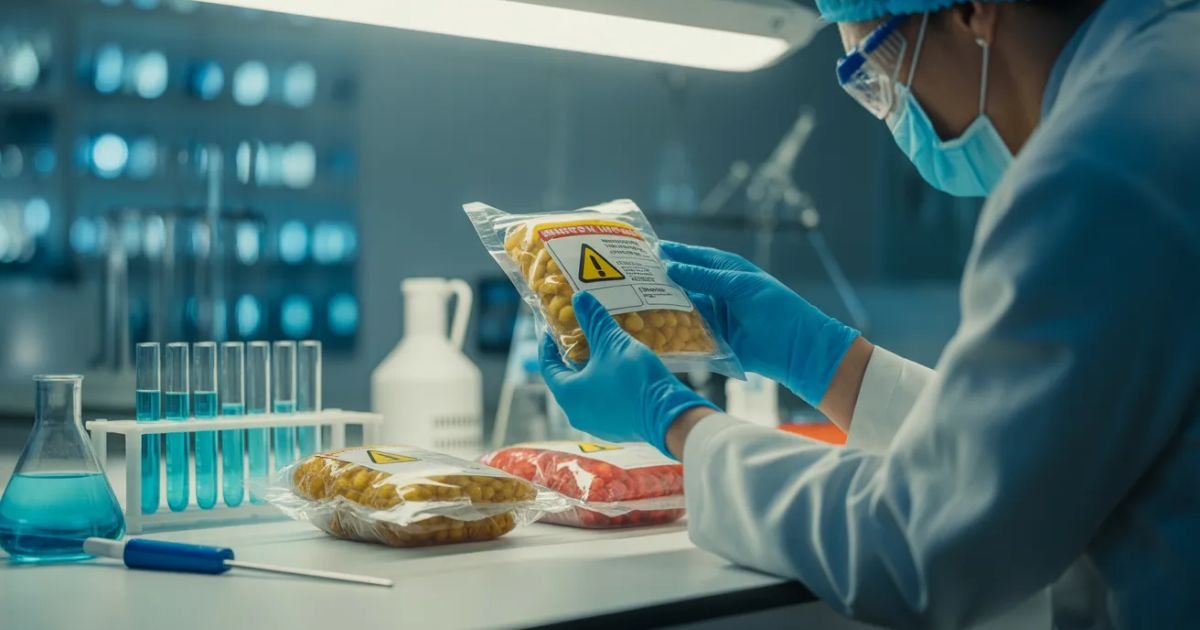

A deep dive into one of today’s most concerning food safety conversations
Before we dig in a critical note. Flensutenol does not appear in any verified scientific literature, FDA database, EFSA registry, or peer-reviewed toxicology study as of this writing. It is not a recognized food additive, approved or banned. If you’ve encountered this term in a product, article, or advisory, treat that source with serious skepticism.
That said, the questions this topic raises are entirely legitimate. How do unapproved or unrecognized synthetic food additives slip into the conversation or worse, into products? What frameworks protect consumers? This article answers those questions head-on.
What Is Flensutenol and Why It Should Not Be in Food
The name “Flensutenol” doesn’t match any known compound in regulatory databases. No FDA food additive approval. No EFSA listing. No toxicology studies on record. That absence is itself the problem.
When a chemical compound has no verified safety profile, its presence in any food context theoretical or otherwise is a red flag. The precautionary principle in food safety is clear: if a substance hasn’t been rigorously tested and approved, it shouldn’t be anywhere near your plate.
Think of it like this. You wouldn’t let a stranger into your home without knowing who they are. Why would you let an unidentified chemical ingredient into your body?
Potential Health Risks of Flensutenol
Since no verified data exists for this specific compound, the following explores the risk categories that any unapproved synthetic food additive would carry based on well-established toxicology frameworks.
Short-Term Effects
Unverified industrial food chemicals often trigger rapid physiological responses. Even brief exposure to toxic food chemicals can cause:
- Gastrointestinal disturbances nausea, cramping, bloating, diarrhea
- Allergic responses hives, swelling, breathing difficulty in sensitive individuals
- Neurotoxicity symptoms dizziness, headaches, or cognitive fog
- Skin reactions and inflammation in high-sensitivity populations
Children and pregnant women face elevated risk. Their metabolic and immune systems process chemical residues in food differently and often less efficiently.
Long-Term Risks
Chronic exposure to chemicals is where the real danger compounds. Prolonged ingestion of unapproved or poorly studied food additives has been linked to:
- Liver and kidney strain from repeated metabolic processing of foreign compounds
- Metabolic disruption affecting insulin response, hormone balance, and energy regulation
- Immune system effects, including heightened sensitivity or suppression
- Potential mutagenic properties if the compound interacts with cellular DNA
- Increased carcinogenic risk over decades of low-dose exposure
The dose-response analysis principle matters here. Small amounts may seem harmless. But compounded over years? The risk picture changes dramatically.
Regulatory and Legal Considerations
Here’s what the system is designed to do and what breaks down when unknown compounds appear.
The FDA requires rigorous pre-market safety evaluation for any food additive. The EFSA applies similarly strict standards across Europe. Both bodies rely on toxicology studies, dose-response data, and long-term animal trials before granting approval.
Regulatory non-compliance isn’t just a paperwork issue. It carries real legal liability for manufacturers. Using an unapproved food additive whether accidental or intentional can result in product recalls, lawsuits, and criminal charges.
Food safety legislation also invokes the precautionary principle: if scientific uncertainty exists about a substance’s safety, the burden of proof falls on those who want to use it not on regulators to prove harm first.
“The absence of evidence is not the absence of risk.” A guiding principle in modern food safety regulation.
Comparison Table: Flensutenol vs Approved Food Additives
| Feature | Flensutenol | Approved Natural Additives | Approved Synthetic Additives |
|---|---|---|---|
| FDA Approval | ❌ None on record | ✅ Yes | ✅ Yes |
| Safety Studies Available | ❌ No | ✅ Extensive | ✅ Extensive |
| Known Toxicity Profile | ❌ Unknown | ✅ Established | ✅ Established |
| EFSA Registered | ❌ No | ✅ Yes | ✅ Yes |
| Consumer Transparency | ❌ Unclear | ✅ Label-listed | ✅ Label-listed |
| Precautionary Status | 🚨 High concern | ✅ Low concern | ⚠️ Varies |
Explore More: LWMFHotels Discount Codes From LookWhatMumFound
Pros and Cons of Flensutenol in Food
Pros
Honestly? There aren’t any established or verified benefits. No food additive safety data supports its use. No manufacturer has legitimately cited it as a functional ingredient.
Cons
The list here is straightforward:
- No verified safety profile zero toxicology studies to reference
- Potential toxic food ingredient risk without dose limits established
- Legal exposure for any manufacturer knowingly using it
- Consumer deception if present in products without disclosure
- Possible food chain contamination if it enters industrial use unchecked
- Risk of mutagenic and carcinogenic properties without controlled study
Environmental and Indirect Risks
The risks don’t stop at the consumer’s stomach. Synthetic food additives especially those with no environmental safety review can cause industrial chemical contamination well beyond the kitchen.
Manufacturing processes that use or produce unapproved chemical compounds generate waste. That waste enters soil and water systems, affecting crops and livestock. The ecological impact of synthetic compounds can ripple outward contaminating ecosystems that humans depend on indirectly for food.
Indirect human exposure becomes a real concern when residues accumulate in the food chain. You might avoid the primary product entirely and still encounter chemical residues through contaminated produce or meat.
Historical Precedents: Lessons from Other Additives
History offers instructive warnings. The lessons from banned food additives are worth revisiting.
- Artificial sweeteners like cyclamate were approved, widely used, then pulled after carcinogenic evidence emerged in long-term animal studies.
- Certain colorants Red Dye No. 2, for example were mainstream until toxicology data forced regulatory action.
- Trans fats took decades of chronic exposure data before the FDA banned them in 2018.
The pattern is consistent: a precautionary approach to synthetic additives saves lives. Waiting for harm to be proven at scale is the wrong strategy. By then, millions have already been exposed.
These historical and ethical contexts reinforce why unknown compounds like flensutenol deserve immediate scrutiny not a wait-and-see attitude.
Safer Alternatives to Flensutenol
Nature already solved most food preservation challenges. Non-toxic food additives with centuries of safe use include:
| Alternative | Function | Safety Status |
|---|---|---|
| Salt | Preservation, flavor | ✅ GRAS (FDA) |
| Vinegar | Antimicrobial preservation | ✅ GRAS |
| Sugar | Preservation, texture | ✅ GRAS |
| Citric acid | Stabilizer, antioxidant | ✅ FDA approved |
| Rosemary extract | Antioxidant preservation | ✅ Approved |
| Fermented cultures | Natural preservation | ✅ Long-term safe use |
These natural food preservatives don’t just match synthetic performance in many cases, they outperform it without introducing unknown risks. Sustainable practices in food production increasingly favor these options.
Risk Assessment and Monitoring

Technical teams in food manufacturing must implement robust risk assessment of additives at every stage. That means:
- Chromatography and mass spectrometry to detect unknown chemical residues
- Spectroscopy-based screening for compound identification
- Regular dose-response analysis to catch accumulation risks
- Supplier audits and quality control for food production across the supply chain
- Continuous monitoring of synthetic residues in finished products
Any compound that doesn’t pass these checkpoints including anything resembling flensutenol shouldn’t advance past the testing phase. Period.
Consumer Awareness and Best Practices
You have more power than you think. Here’s what informed food choices look like in practice:
- Read food labels carefully every ingredient deserves a second look
- Prioritize organic foods and whole-food options when budget allows
- Avoid heavily processed foods with long, unpronounceable ingredient lists
- Follow public advisories on food safety from the FDA and EFSA
- Use apps like the EWG Food Scores database to research chemical ingredient awareness
- Ask manufacturers direct questions. Transparency in food labeling isn’t optional it’s a right.
Quick tip: If you can’t identify what an ingredient does or where it comes from, that’s your signal to investigate further.
The Role of Research and Innovation
Scientific vigilance in food isn’t about blocking progress it’s about earning it. New compounds can and should be developed. But the path runs through rigorous study, not shortcuts.
Emerging food science is developing promising non-toxic food additives derived from plant compounds, fermentation byproducts, and bio-based stabilizers. These innovations respect both human health and ecosystem integrity.
The ethical considerations in food production demand that industry leaders invest in long-term safety studies before commercialization not after public outcry.
Practical Guidelines for Individuals and Technical Teams
For everyday consumers:
- Shop the perimeter of grocery stores (fresh produce, proteins, dairy)
- Choose products with five ingredients or fewer when possible
- Report unusual label claims or unfamiliar compounds to the FDA
For food industry technical teams:
- Conduct pre-launch toxicology screening on every input ingredient
- Maintain updated regulatory compliance with FDA and EFSA standards
- Flag any supplier-introduced compounds without traceable safety documentation
- Build in quality control checkpoints at raw material intake
FAQs
What are the 5 most common risk factors for food safety?
- Microbial contamination (bacteria, viruses, fungi)
- Chemical residues from pesticides or unapproved additives
- Allergen cross-contact during manufacturing
- Improper food handling and temperature control
- Undisclosed or unapproved ingredients
What are the risks associated with food safety?
Food safety risks span biological hazards (pathogens), chemical hazards (toxic food chemicals, pesticide residues), physical hazards (foreign objects), and regulatory failures that allow unsafe products to market.
What are the five foods you shouldn’t eat?
Highly processed meats with nitrate preservatives, artificially colored beverages, trans-fat products, refined sugar-heavy snacks, and foods containing unapproved or unverified synthetic additives top most nutrition experts’ caution lists.
What is the biggest threat to food safety?
Most regulatory and public health experts cite microbial contamination as the leading acute threat. However, chronic exposure to unregulated chemical compounds represents the more insidious long-term danger precisely because it accumulates silently.
Conclusion: Prioritize Safety and Health
The core message is simple. Don’t eat what you can’t verify. Whether flensutenol is a misidentified compound, a fictional ingredient, or something emerging in fringe product formulations the framework for evaluating it is the same.
Demand FDA food additive approval. Expect EFSA-level scrutiny. Insist on transparency in food labeling. Choose natural food preservatives with proven safety records. And when a compound has no toxicology studies, no regulatory standing, and no verified function keep it off your plate.
Food safety isn’t bureaucratic box-checking. It’s the difference between a healthy population and a preventable public health crisis. You deserve better than unknowns in your food supply. Start reading labels like your health depends on it because it does.

Admin of LCF Magazine, a general online magazine covering technology, business, finance, and lifestyle topics. Passionate about sharing informative, easy-to-read content for modern readers.Focused on delivering helpful insights, trends, and practical knowledge online.